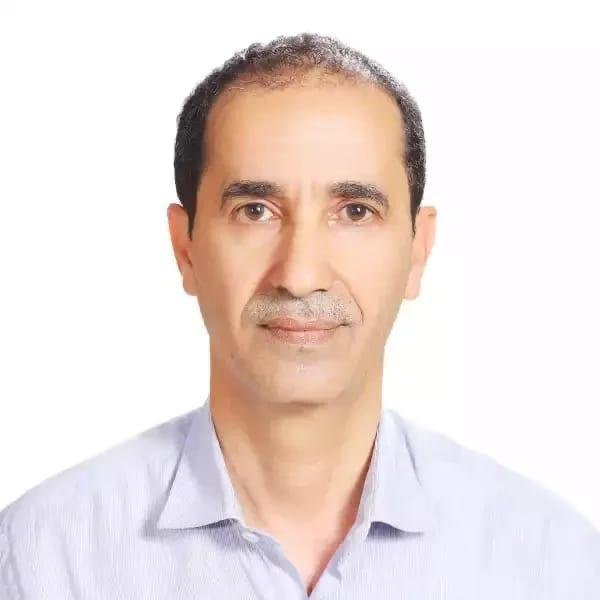
Dr. Adel Alshugaa
Chair of the General Assembly
The Yemeni Initiative for Peace and Development is an independent Yemeni civil society alliance. It deliberately transcends political, religious, regional, and ideological divides and brings together figures from civil society, media, human rights, academia, business, and peace research – both in Yemen and across the diaspora.
Through international dialogue and conference formats – including meetings and peace-policy discussions in Salzburg – the Initiative works to bring Yemeni voices into constructive exchange with European and international partners.
We are united by the conviction that sustainable peace cannot be achieved through military dominance, exclusion, or violence, but through dialogue, mutual recognition, and realistic political solutions.
Behind our initiative is a dedicated team working together for peace, dialogue, and sustainable development in Yemen.
Chair of the General Assembly
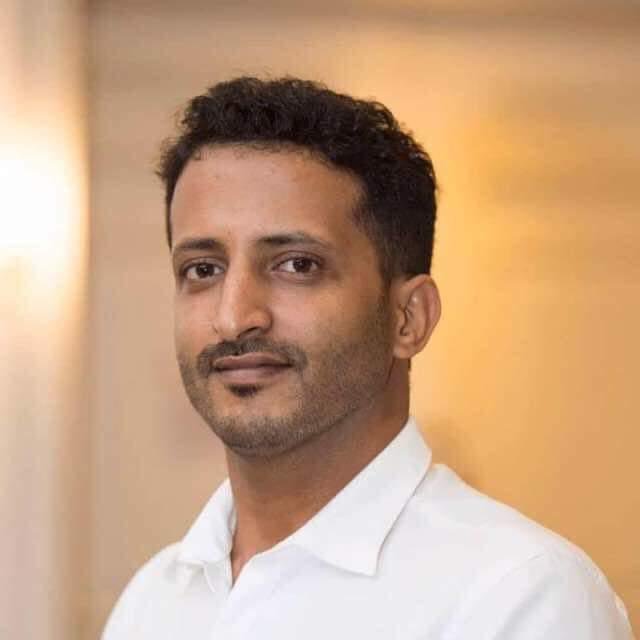
Deputy Chair of the General Assembly
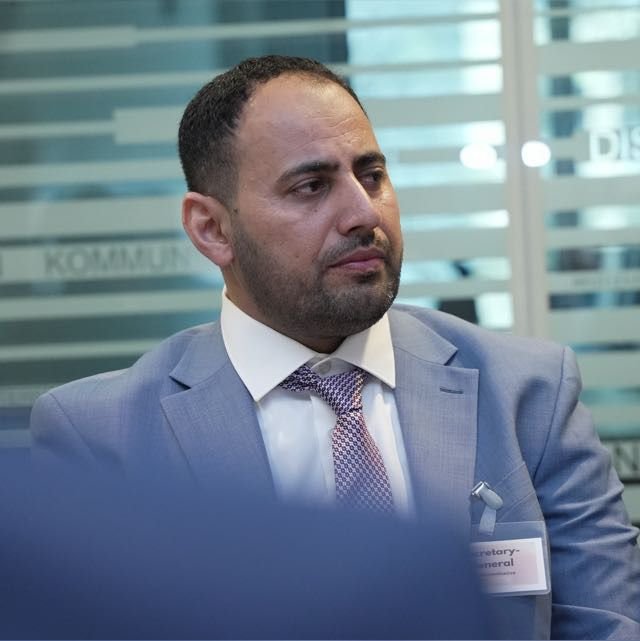
Secretary-General
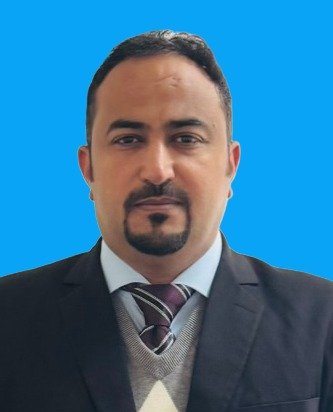
Deputy Secretary-General
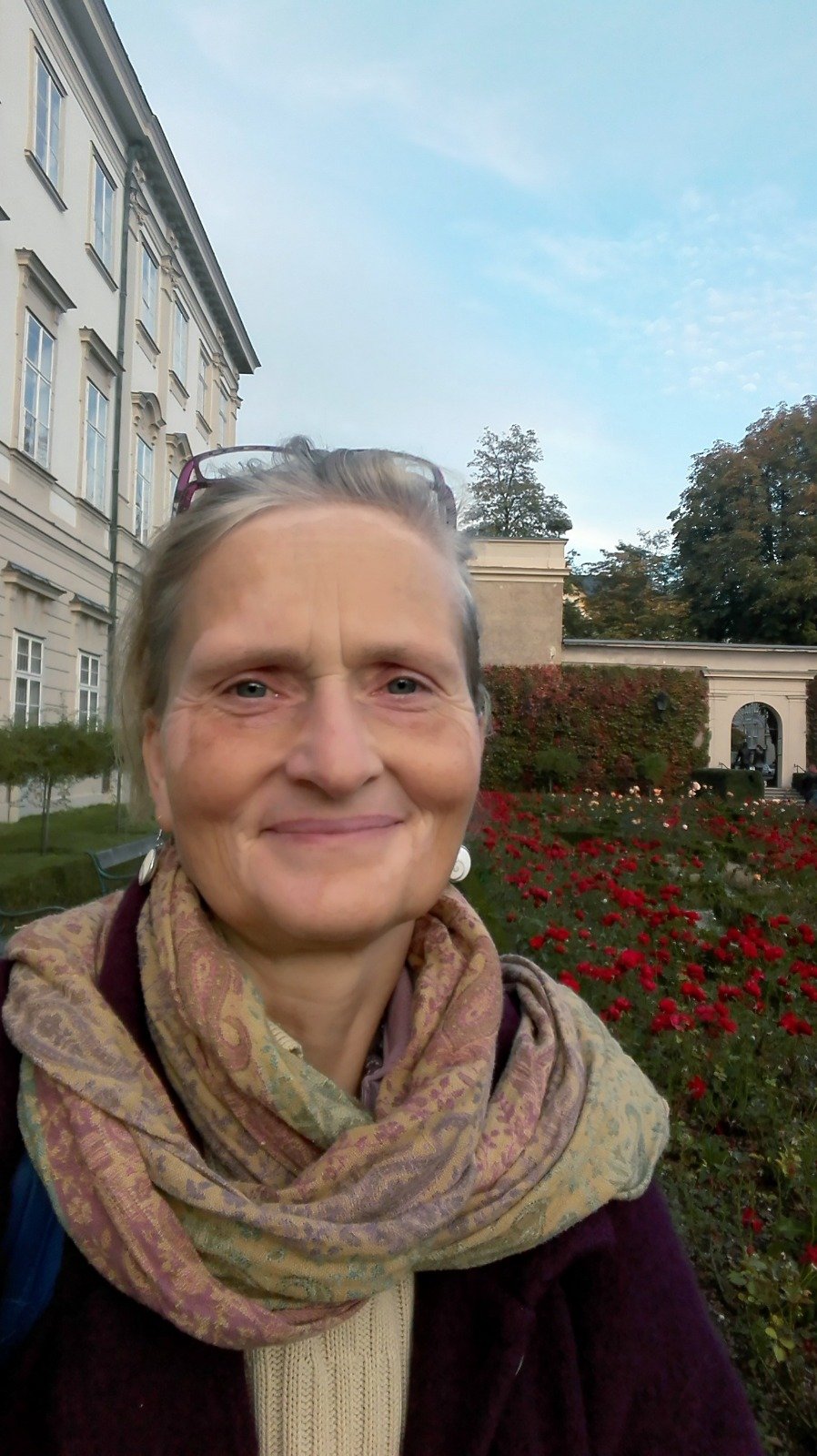
Chair of the International Advisory Council
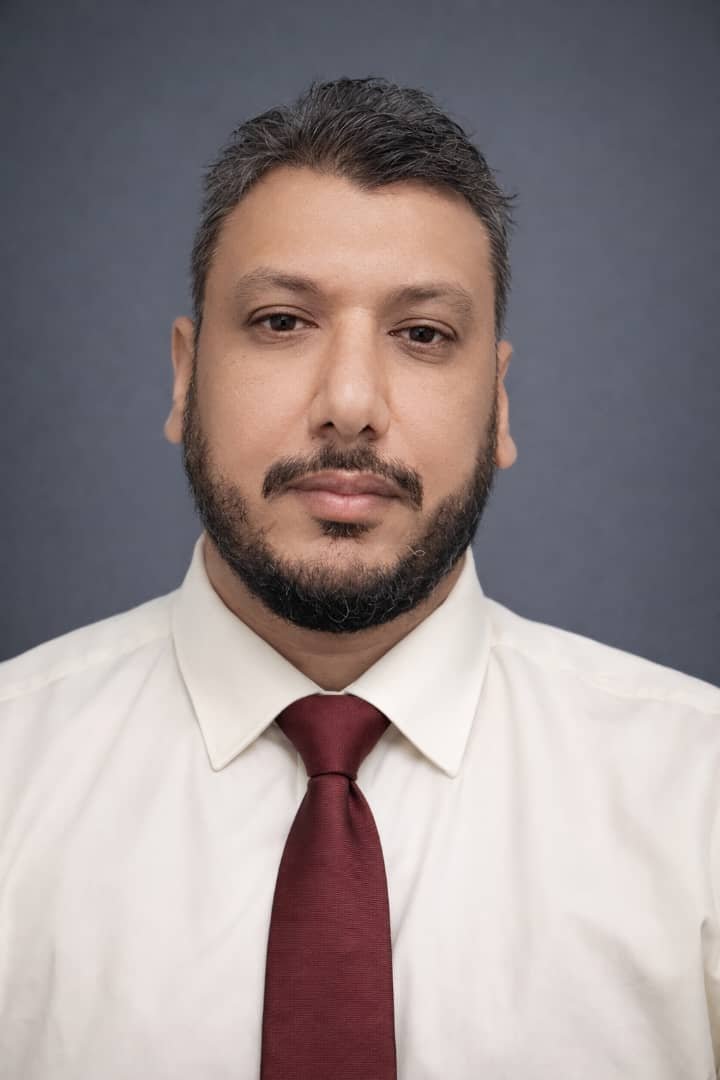
Member, Planning and Projects Department
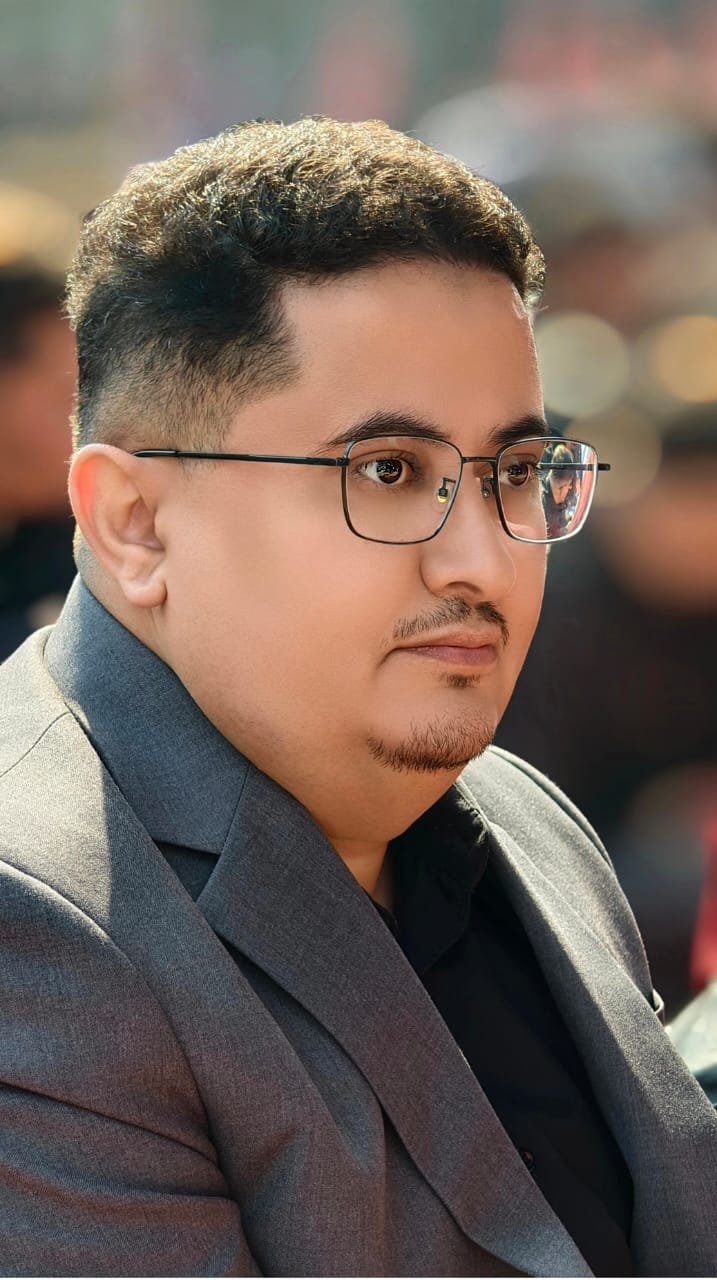
Member, Planning and Projects Department
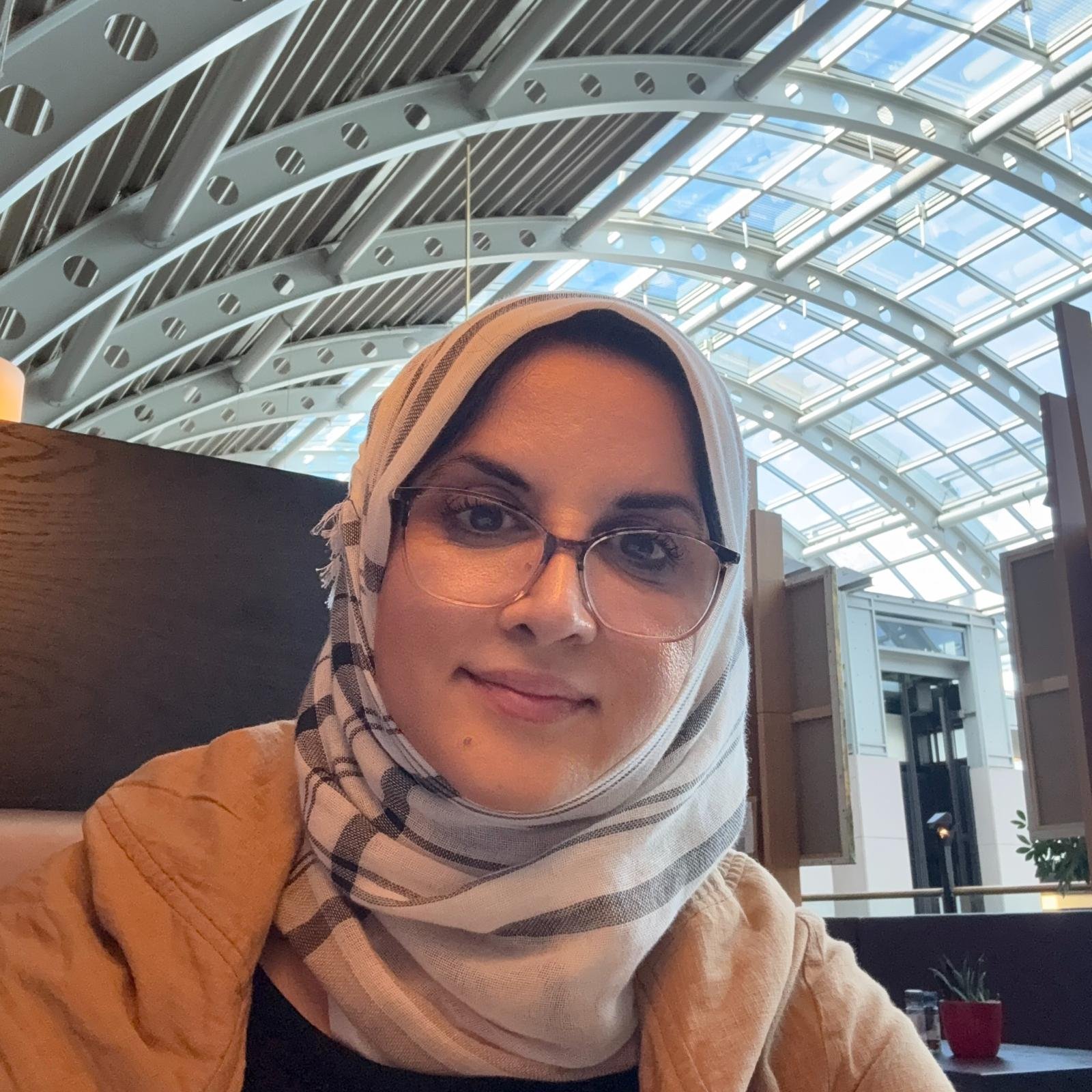
Head of Planning and Projects
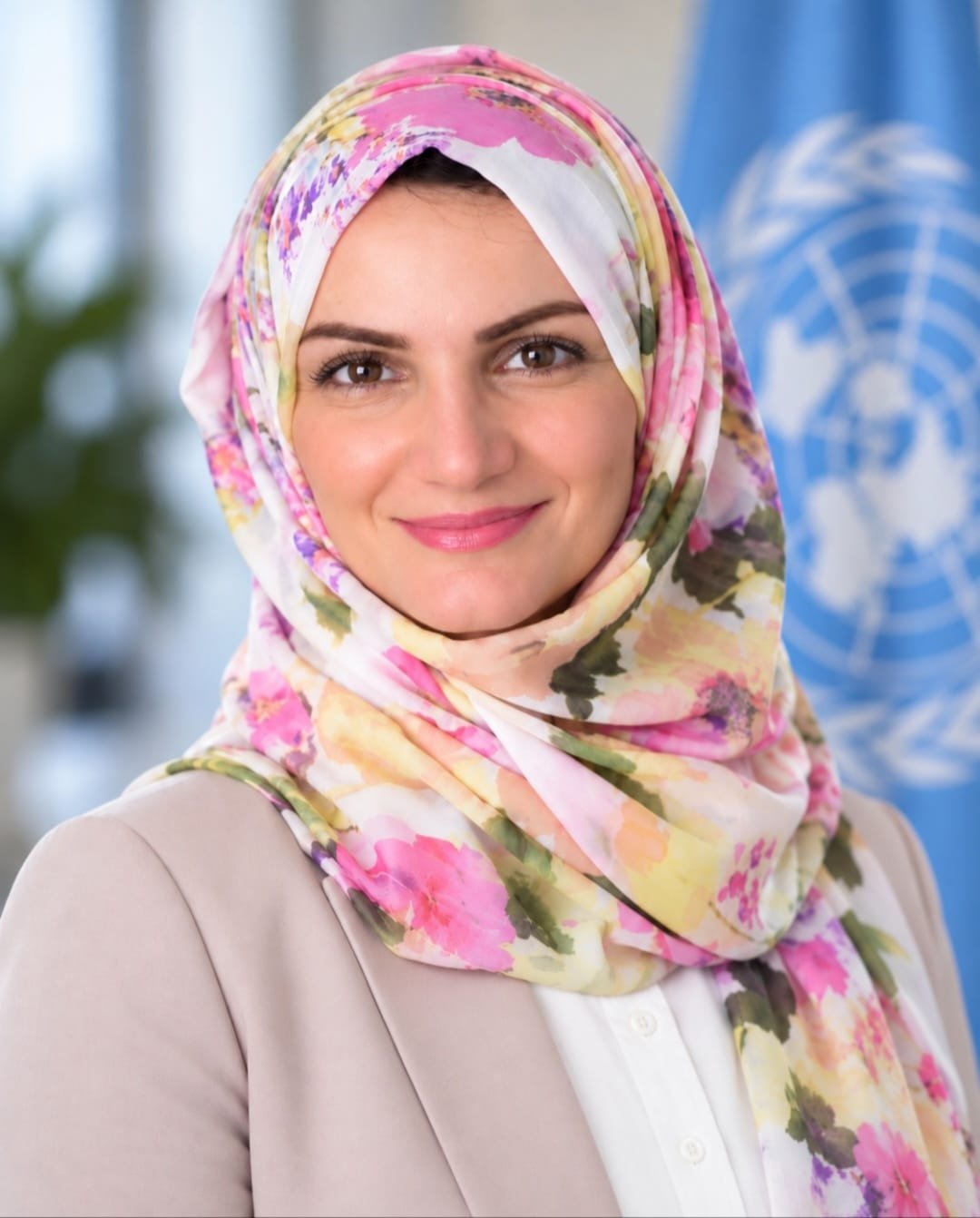
Member, Planning and Projects Department
Head of International Relations and Partnerships
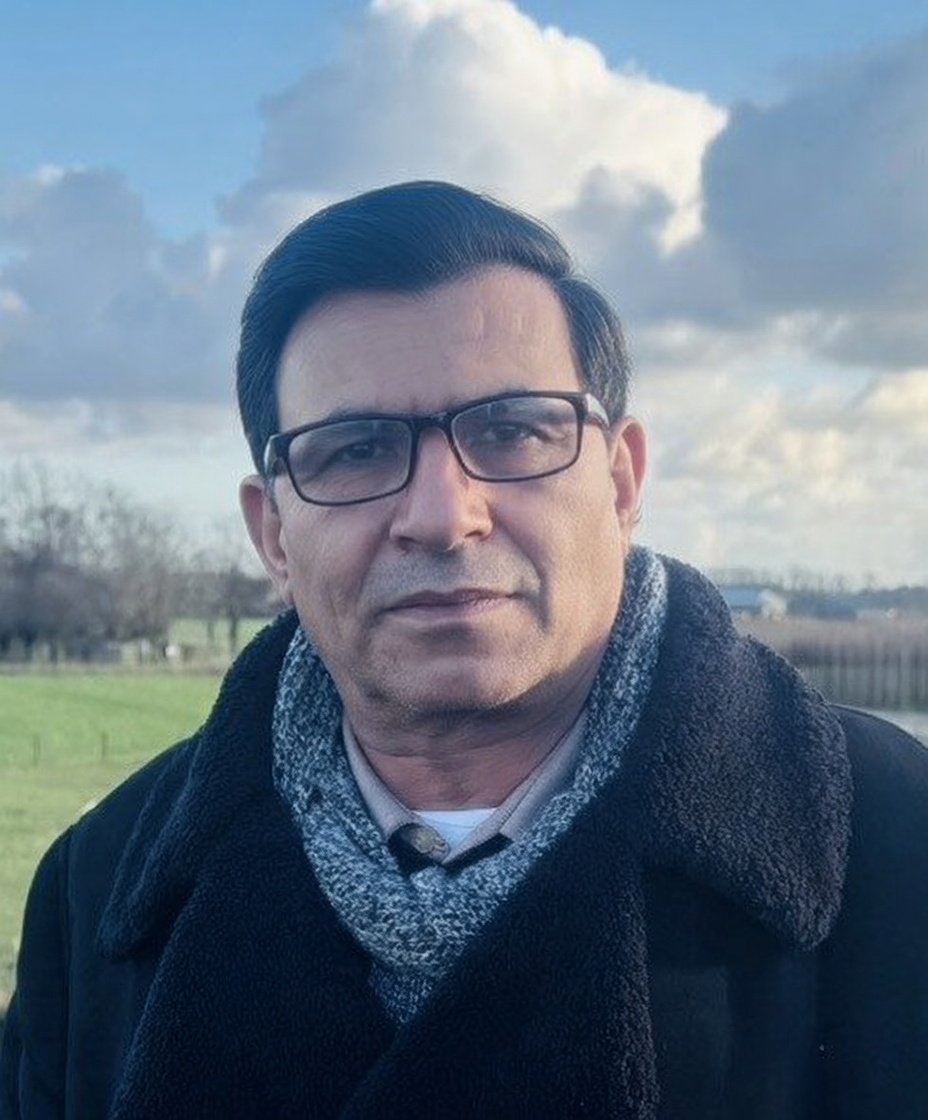
Member, International Relations and Partnerships Department
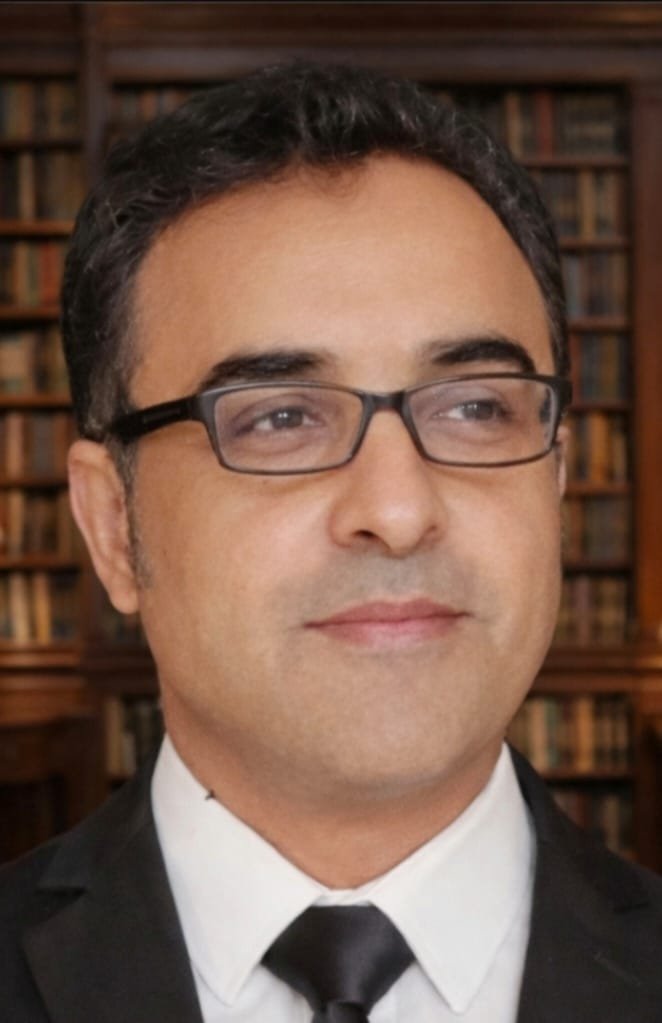
Member, International Relations and Partnerships Department
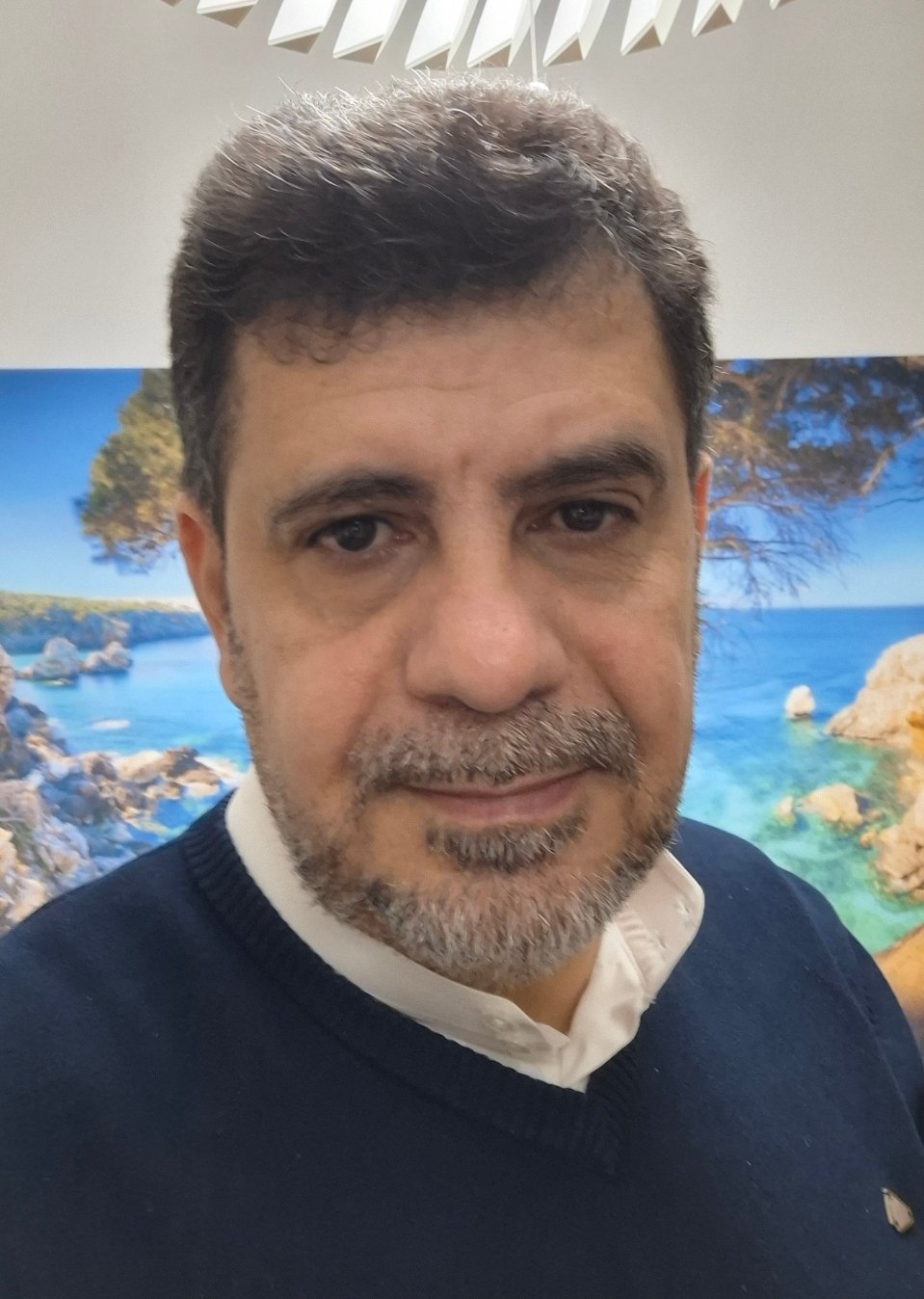
Member, International Relations and Partnerships Department
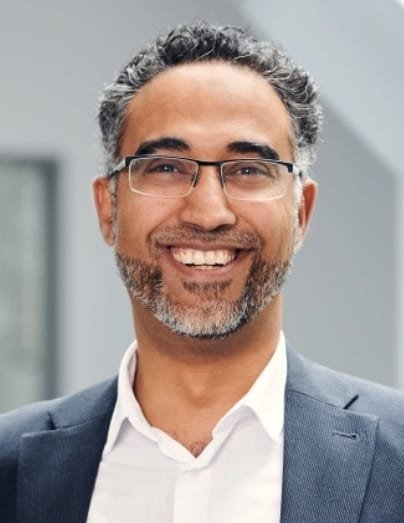
Head of Finance and Institutional Sustainability
Deputy Head of Reconciliation and Community Development

Head of Research, Studies and Policy
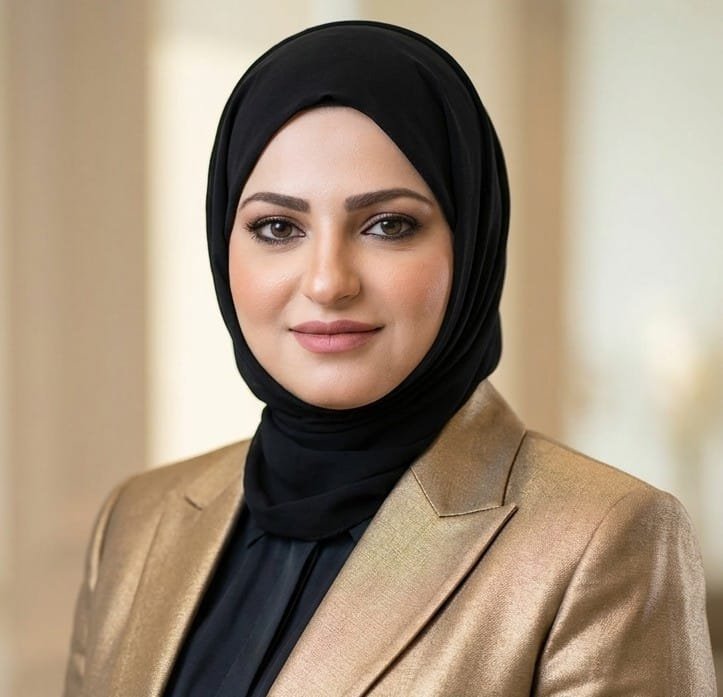
Head of Media and Communications
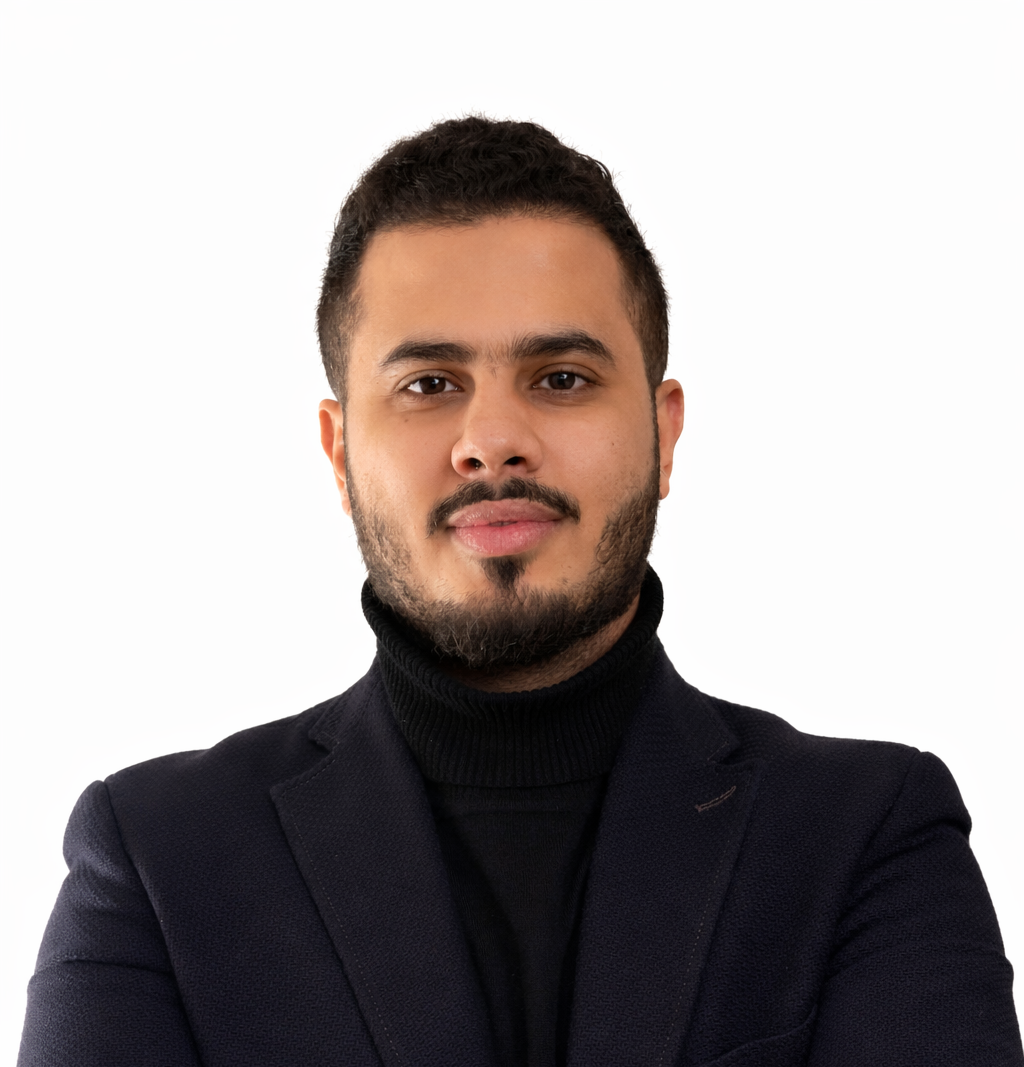
Head of the Technical Unit
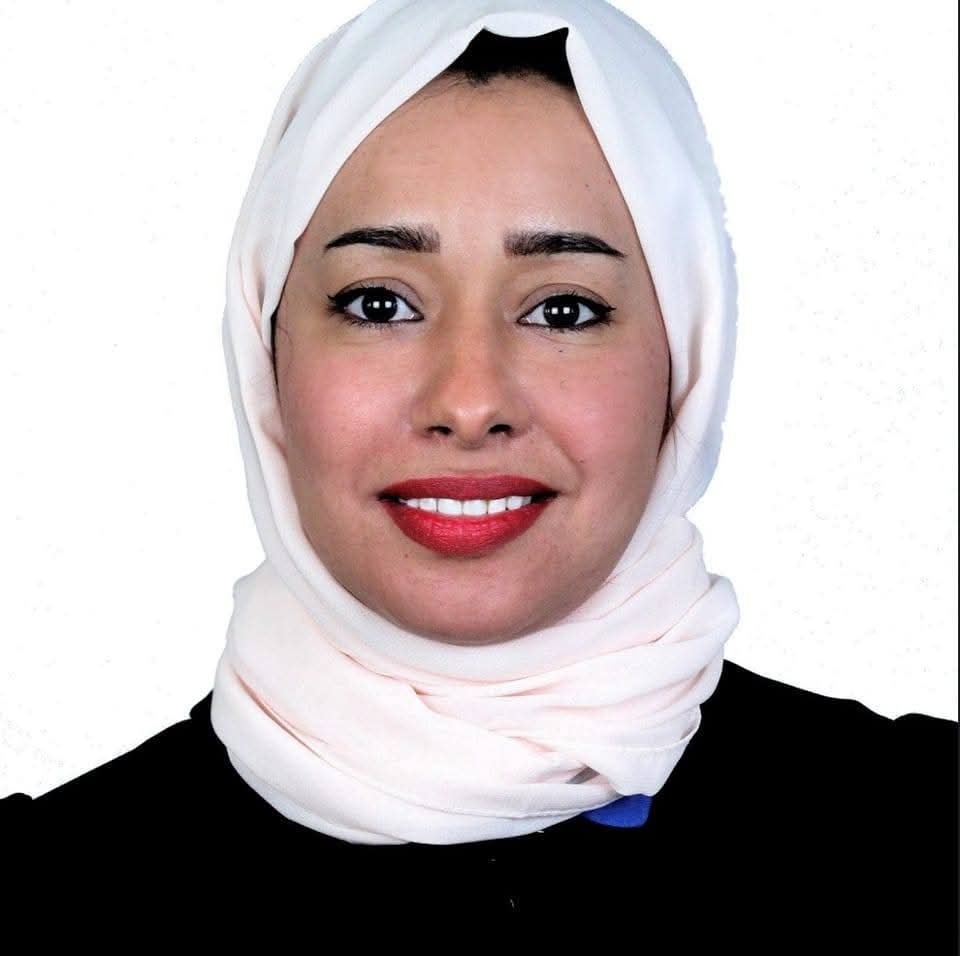
Secretary
We work independently, inclusively, and through dialogue. Our Initiative engages with all relevant stakeholders – without preconditions and without party-political affiliation.
Our work is grounded in universal human rights, international humanitarian law, and the equality of all people before the law. We firmly reject despotism, political violence, and every form of structural discrimination.
Our approach follows a gradual, pragmatic logic: we focus on concrete partial solutions that build trust and can lead to long-term political agreements.
A safe, just, and united Yemen – a modern civil state that upholds the rule of law, protects the dignity of all citizens, and maintains the state's legitimate monopoly on the use of force.
Advancing an inclusive peace process through dialogue, reconciliation, and international cooperation – while strengthening Yemeni civil society and supporting humanitarian initiatives on the ground.
Our goal is to establish the Initiative as a shared platform for all those who believe that freedom is a right, equality is a necessity, and justice is the foundation of lasting peace.
Together with Austrian and international partners, we work on viable political approaches in line with existing UN frameworks, recognized dialogue processes, and the fundamental principles of an inclusive peace for Yemen.
We view the discussions held in Salzburg as part of a broader effort to connect confidence-building measures, political mediation, and civil society participation more closely.
Our specific objectives include:
Recent years have shown that local and civil society initiatives have often made progress where international processes have stalled – including prisoner exchanges, the reopening of roads and humanitarian corridors, as well as local mediation and de-escalation efforts.
Sustainable solutions emerge from society itself – not solely from formal agreements. Our work deliberately builds on these experiences.
We promote dialogue formats that bring relevant actors together – from civil society organizations to decision-makers – to enable viable solutions.
Through close cooperation with partners in Yemen, we ensure that initiatives reflect real needs and have a lasting impact.
Our positions are based on analysis, research, and expertise. We work with institutions and think tanks to develop robust recommendations.
We advocate a fact-based international approach to the Yemen issue as a humanitarian and security-policy concern – beyond geopolitical proxy conflicts.
In doing so, we promote shared interests (security, maritime navigation, counterterrorism, and stability), a coherent national-international negotiation framework, targeted investment in neutral local initiatives, and incentive structures for political solutions rather than relying solely on sanctions.
In this context, we regard Salzburg as a suitable venue for dialogue, mediation, and international cooperation – a place where political, academic, and civil society perspectives can be brought together in a protected setting.
Outlook: Our goal is not a short-term ceasefire without a broader perspective, but a sustainable peace process that ends the war, rebuilds state institutions, and enables a representative state for all citizens. We regard Austria as an important partner – a neutral country with experience in dialogue, mediation, and international cooperation.