Vienna, January 28
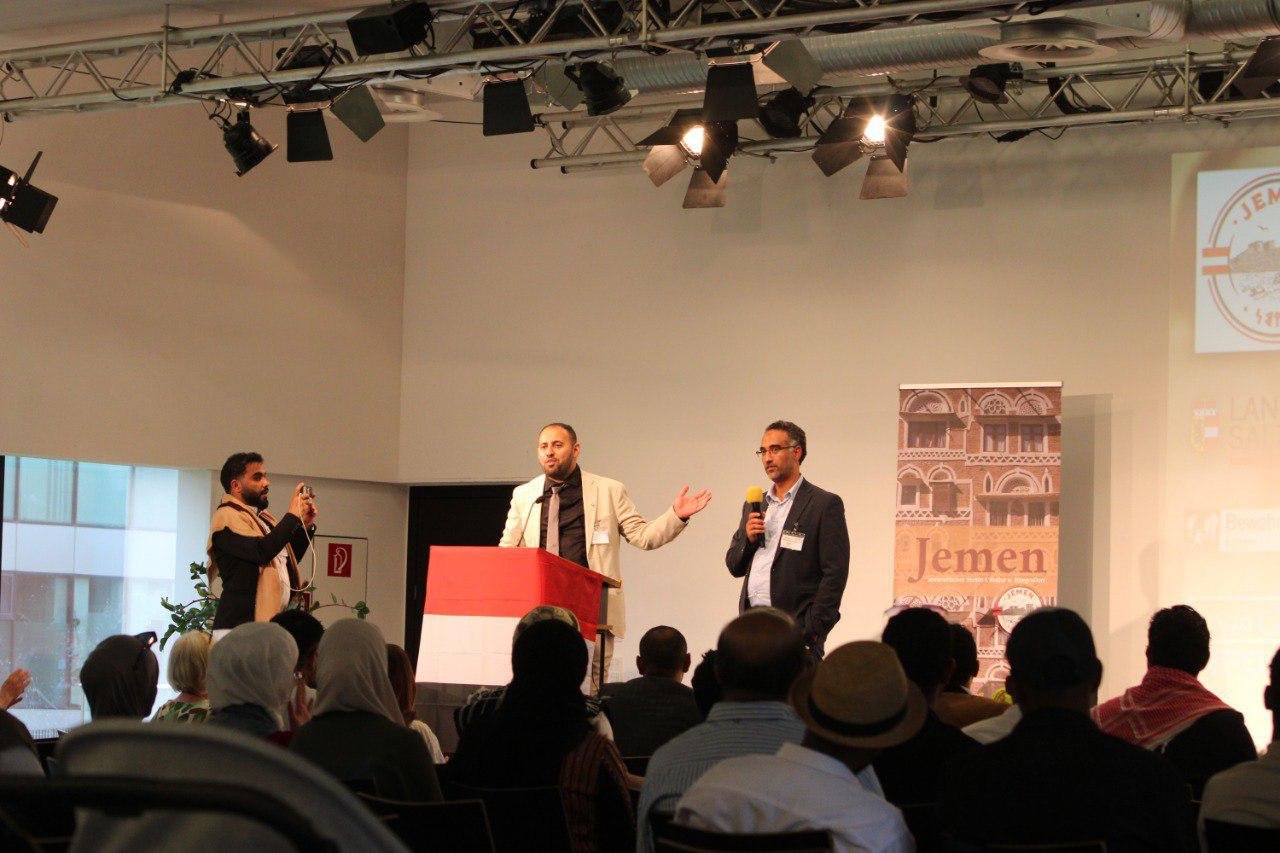
On January 28, the Yemeni Peace Initiative, in cooperation with the Bruno Kreisky Forum for International Dialogue, organized an expert seminar in Vienna to discuss the latest developments in the Yemeni crisis and the prospects for sustainable peacebuilding.
The event brought together academics, political decision-makers, and Yemen experts. The aim of the seminar was to analyze the structural causes of the conflict, critically reflect on previous international mediation efforts, and discuss approaches for a viable political solution.
The event was moderated by Basheer Al-Tashi and opened with welcoming remarks by Ms. Kroissenbrunner. In her address, she emphasized the need for stronger international and regional coordination to enable a transition from a phase of de-escalation toward a comprehensive political settlement.
Ms. Rothschhädl then spoke about the economic and humanitarian situation in Yemen. She described the dramatic impact of the ongoing conflict on the population and highlighted that Yemeni society has suffered for years from economic collapse, shortages of essential supplies, and a severe humanitarian crisis. She particularly stressed that the people of Yemen—especially women, children, and vulnerable groups—bear the greatest burden of the conflict and urgently require sustainable international support.
Mr. Nooh Al-Jaseri opened the expert contributions with a presentation titled “From Ceasefire to Sustainable Peacebuilding.” He outlined the political and security prerequisites required to move from a temporary de-escalation toward a structurally anchored peace process.
In his presentation, “The Roots of the Conflict in Yemen,” Mohammed Al-Salahi analyzed the historical and political background of the crisis, pointing to the interplay of domestic and regional factors that have contributed to prolonging the conflict. Adel Al-Shugaa critically examined the role of the United Nations, noting that it has so far primarily fulfilled a moderating role without being able to establish binding political enforcement mechanisms.
Abu Bakr Al-Qirbi addressed the prospects for a political solution and emphasized that any sustainable agreement must be based on broad national consensus. Dr. Shadi Khasrouf complemented the discussion with an analytical assessment of the conflict dynamics, stressing that peace without stable state institutions and effective rule of law would remain temporary.
Finally, Nadia Al-Naggar presented the core principles and objectives of the Yemeni Peace Initiative. She emphasized that a sustainable peace process must be based on restoring state institutions, strengthening national partnership, and overcoming parallel armed structures.
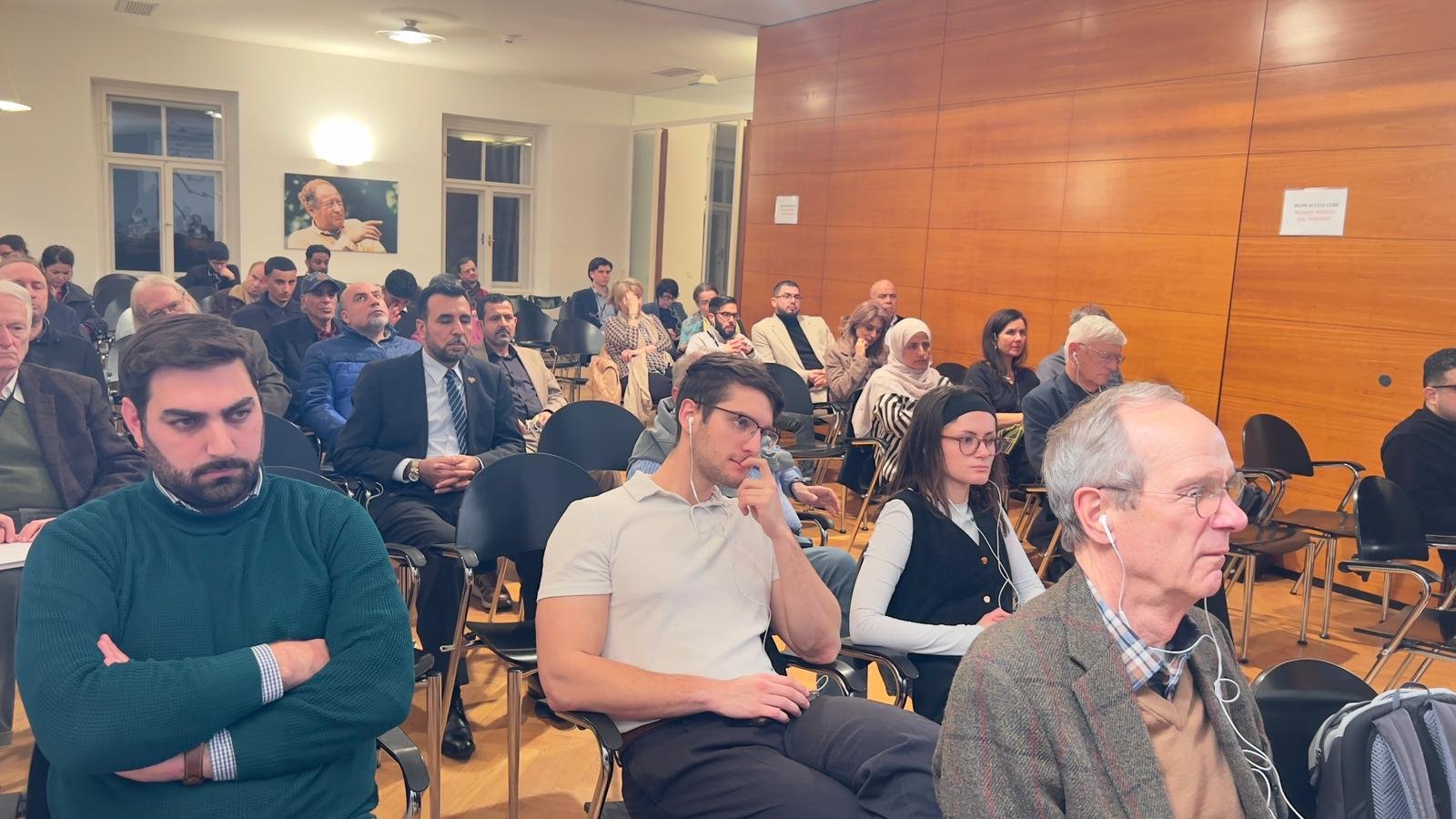
Following the expert contributions, the discussion was opened to the audience. Participants raised numerous questions and comments, leading to a constructive and dynamic debate.
The seminar concluded with several key recommendations. These included calls for binding international guarantees to end the conflict, the promotion of an inclusive political process involving all relevant actors, and the need to unify military and security institutions while dismantling armed formations outside state structures.
The event made clear that achieving sustainable peace in Yemen is not only a national challenge but also a matter of regional and international security.